Logo

Transmission Engineer Jobs

For transparency, AI has been used during the generation of this content, with every care taken to verify its accuracy.
Looking for your next Transmission Engineer job?

NRL specialises in connecting skilled Transmission Engineers with opportunities across the energy, utilities and infrastructure sectors. Working closely with organisations involved in electricity transmission projects, renewable energy developments and grid modernisation programmes, NRL helps professionals secure roles that match their skills, experience and career objectives.

Upload your CV and find jobs in seconds.

Find your next job now

Stay up to date with the latest Transmission roles

Register today to be the first to know about the latest opportunities across transmission, power and renewable energy projects throughout the UK.

What does a Transmission Engineer do?

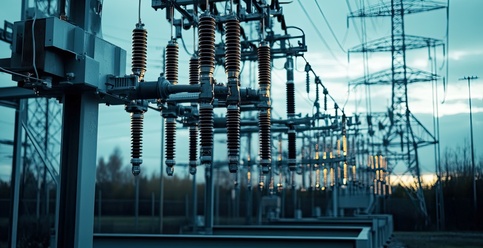
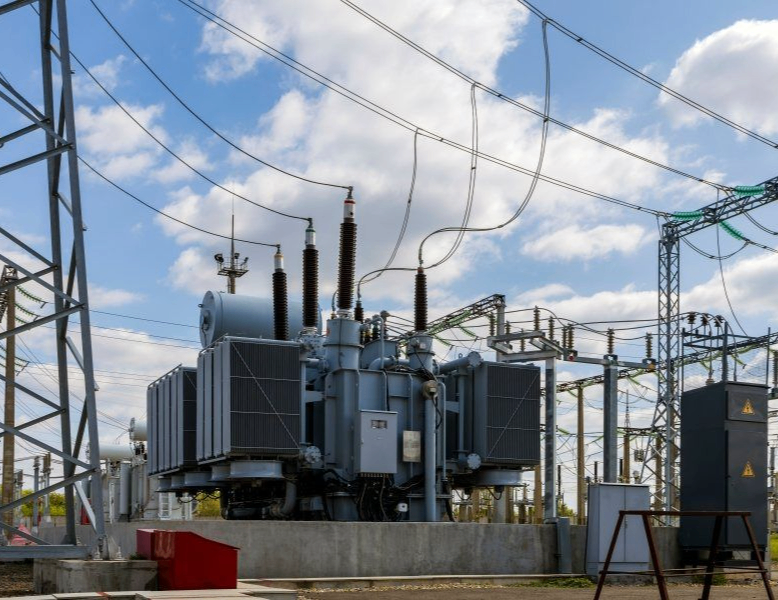
A Transmission Engineer is responsible for the design, development, maintenance and optimisation of electrical transmission networks that transport electricity from power generation sources to distribution systems. These networks play a critical role in ensuring reliable and efficient power supply to homes, businesses and industry. Transmission Engineers may work on high-voltage overhead lines, substations, underground cable systems and grid connections for major infrastructure and renewable energy projects. The role often involves carrying out technical studies, developing design solutions, assessing network performance and supporting the delivery of construction and commissioning activities. Responsibilities can include preparing engineering designs, reviewing technical specification, conducting power system analysis, and ensuring compliance with industry standards. As electricity networks continue to evolve to accommodate renewable energy generation and increasing demand, Transmission Engineers are playing a vital role in the UK’s transition to a low-carbon energy system.

Skills and qualifications for Transmission Engineers

To become a Transmission Engineer, candidates typically require an engineering qualification in electrical engineering, power engineering or a related discipline. Key skills often include: • Knowledge of high-voltage transmission systems and substations • Understanding of power system design and analysis • Experience with transmission line or substation projects • Familiarity with industry standards and regulatory requirements • Strong problem-solving and technical reporting skills • Project delivery and stakeholder management experience • Understanding of health and safety requirements within energy projects Depending on the role, professional registration such as Incorporated Engineer (IEng) or Chartered Engineer (CEng) status may be advantageous. Experience supporting National Grid, transmission owners, renewable energy developers or major infrastructure projects is also highly valued.

Frequently asked questions

Most employers look for a degree or equivalent qualification in electrical engineering, power engineering or a related discipline. Relevant industry experience and professional registration may also be beneficial.

Transmission Engineers work across utilities, consultancies, engineering contractors, renewable energy developers and infrastructure organisations. Projects can be based in offices, substations, construction sites or operational network environments.

Yes. Growing investment in electricity networks, renewable energy integration and grid modernisation continues to drive demand for experienced Transmission Engineers across the UK and internationally.

Transmission Engineers commonly work within energy, utilities, renewables, power generation, infrastructure, nuclear and industrial sectors where reliable electricity networks are required.

Technical knowledge of power systems, transmission networks, substations and high-voltage infrastructure is important, alongside problem-solving, communication, project delivery and stakeholder management skills.


Proud to be working in partnership with
leading engineering organisations

Logo 1
Logo 2
Logo 3
Logo 4
Logo 5
Logo 6