

Gender pay gap reporting
We’re committed to both reporting on our gender pay gap, as well as playing our part in helping to drive equality within the industry sectors we operate in.

Reporting on our workforce
We know all too well the challenges the engineering sectors face when it comes to driving equality, in particular when working with our clients to engage temporary contractors on their behalf. It’s understandable therefore that this gender imbalance is evident in our gender pay reporting. Whilst we work hard to drive diversity within our recruitment operations, these long-standing issues will require a sector-wide approach.
In line with the UK’s reporting requirements, we calculate the gender pay gap across our NRL Limited business, which is a dynamic mix of our internal staff, Pay As You Earn (PAYE) contractors we place with clients, as well as the project consultancy solutions we deliver on large engineering projects through Statement of Works. The latter has seen significant growth in recent years, changing the employment landscape of our business as we become more directly involved in technical engineering solutions.
Legislative reporting
Below you’ll find copies of submissions for the last three reporting years. For 2024 and 2023 submissions, calculations were solely made on our Pay As You Earn (PAYE) contractor workforce as these were managed through a separate business entity and met the reporting threshold.


Understanding the engineering industry gender pay gap
Organisations up and down the supply chain are making changes to attract more women into the industry and advocating for diversity.
The Engineering Construction Industry Training Board (ECITB), surveyed businesses for their 2024 Workforce Census, including capturing information on diversity. The report found that only 16.9% of the engineering construction industry (ECI) workforce was female. Whilst this reported some progressive, a 3.1% increase compared to 2021 findings, it’s clear there is still a great deal of progression left to make. When reviewed alongside the GB population in 2024 which recorded 47.6% female, this industry challenge is even more evident.
Broken down further into occupation, most women work in administration and human resources roles, with far less representation at engineer and director levels.

Prioritising equality within our operations
Within our own business operations that support our clients, we understand the value of diversity and are proud to be able to say that 45% of our workforce across the NRL Group are women. Ensuring we’re providing opportunities for career progression and senior role promotions, many of our leadership team have progressed through the business to become Branch Directors and department heads.
Diversity and inclusion continue to be a key focus for our Recruitment teams when we work with clients to help them with their workforce needs, and we’re committed to forging ED&I strategies with them to attract more women into the engineering positions. Including identifying transferable skills, repositioning roles to attract a wider audience of candidates and working to grow our female database of skilled candidates.
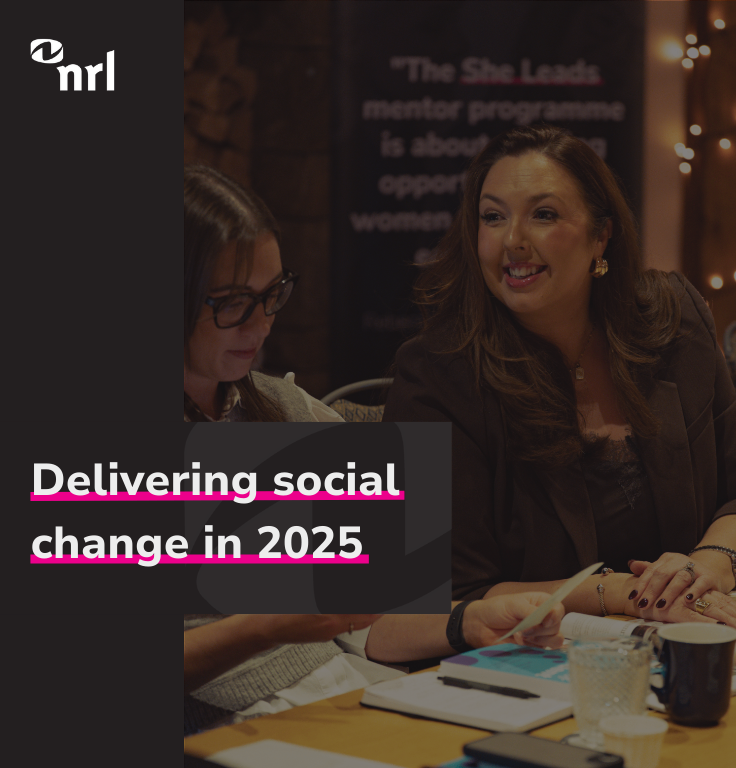
Challenging diversity within the engineering industry
The positive impact that we make to improving gender and ethnic equality within the engineering sectors we support is always rewarding to see. From lending our support to educational outreach programmes that aim to get female students interested in engineering from as early as primary school age, to helping students secure apprenticeship opportunities to start their engineering careers.
You can read all about how we’re delivering change in our social value report.