Working in Tunisia
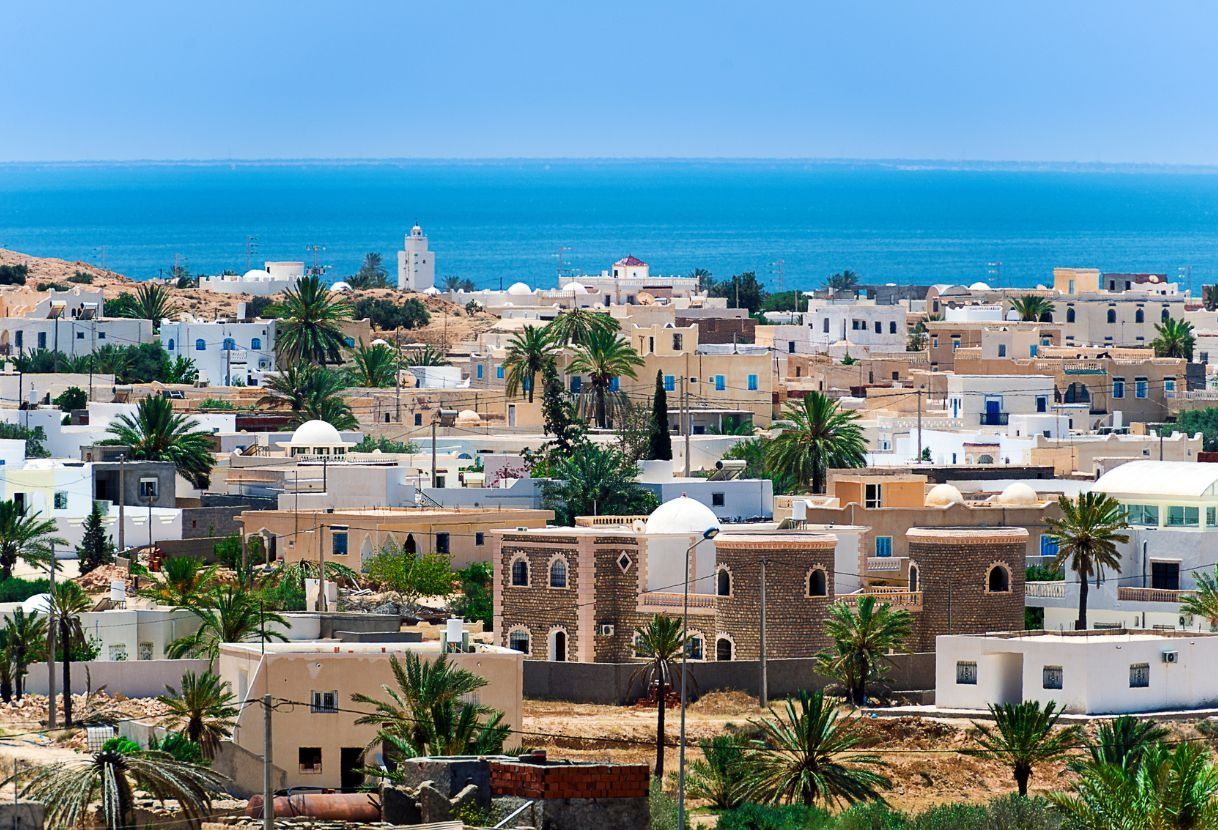
For transparency, AI has been used during the generation of this content, with every care taken to verify its accuracy. Last updated July 2026.
Average Salary
For expats working in Tunisia, expected salaries are higher than average local salaries. For example, Western Europeans working in Tunisia may find that their salaries are aligned with home-country packages, particularly in multinational companies. They can commonly expect to be paid 7,750 – 18,600+ TND per month ($2,500 - $6,000+), which gives them much higher purchasing power while living in Tunisia’s lower-cost economy.
General information
Currency
Tunisian Dinar (TND)
Official language
Arabic
Conversational languages
Tunisian Arabic French
Time zone
Central European Time (UTC+01:00)
Common types of Employment or Contracting
Professionals in Tunisia can engage in a variety of employment and contracting arrangements, each with different rights, benefits, and obligations.
Common types of employment
Common types of contracting
Already secured a job overseas?
If you have secured an assignment but are unsure of where to start with setting up as a Freelancer or B2B contractor, please feel free to reach out to our International team for assistance.



Living in Tunisia
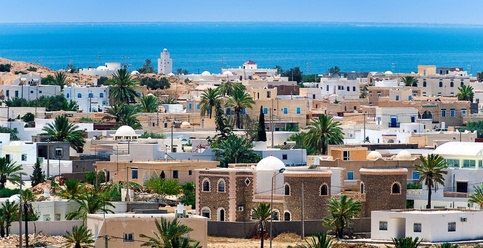
Living in Tunisia offers an affordable Mediterranean-North African lifestyle, with rich cultural influences from Arab, Berber, and French traditions. The country is moderately diverse culturally – mainly Arab-Berber Muslim with small Christian and Jewish communities – and while day-to-day costs are relatively low compared with Western Europe, prices are higher in Tunis and popular coastal cities than in smaller inland towns.
-
A weekly grocery shop for a small family costs 150 – 250 TND ($50 - $80)
-
Monthly rent for a 2 – 3 bed property is roughly 1,200 – 2,000 TND ($390 - $650) in city centres and 800 – 1,400 TND ($260 - $455) outside major centres
-
Monthly childcare costs for a private preschool are about 250 – 500 TND ($80 - $160) per child
-
Both petrol and diesel cost roughly 2.3 – 2.8 TND ($0.75 - $0.90) per litre, but this can fluctuate significantly
In Tunisia, vehicles drive on the right-hand side of the road, and traffic follows standard European-style rules. To drive legally, expats can use an international driving permit (IDP) or a foreign driver’s licence for a limited period, usually up to one year after arrival. After this, or for long-term residency, expats must obtain a Tunisian driver’s licence, which generally requires presenting a valid residence permit, passing a medical exam, and sometimes completing a short driving test, depending on the applicant’s original licence.
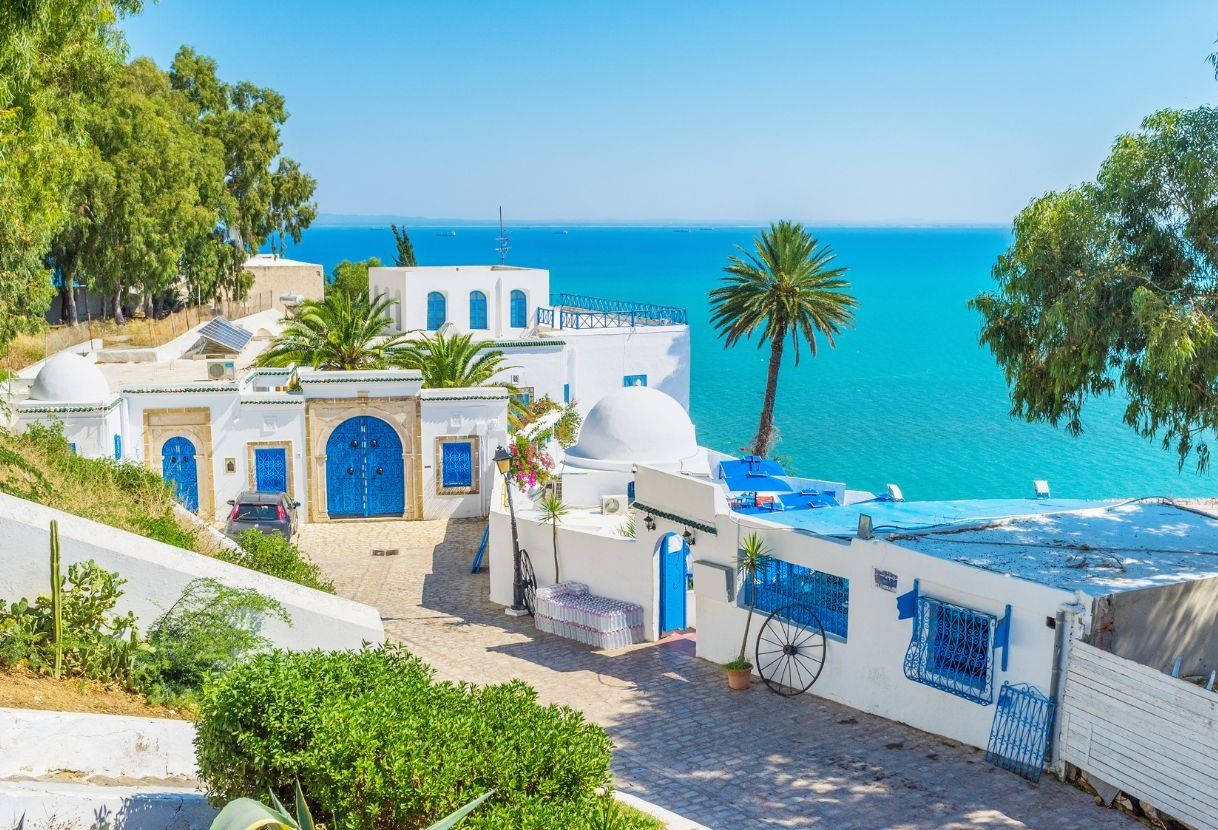
Weather in Tunisia
Tunisia has a Mediterranean climate along the coast and a hot desert climate inland. Coastal cities like Tunis and Sousse typically see summer highs of 30 - 35°C and winter lows around 8 - 12°C, while inland and southern areas can reach 40°C in summer and drop close to 0°C on winter nights. Rainfall is mostly concentrated between November and March, and summers are generally dry and sunny.

Language and integration support
Tunisian Arabic (Darija) is spoken widely in daily life, and French is also extensively used, especially in business, education, government services, and professional contexts, making it the main language for many expats. English is less common but increasingly taught in schools and used in tourism and tech sectors.
Formal integration support is limited but accessible through French and Arabic language classes at private language schools, expat networks and associations (especially in cities such as Tunis and Sousse), and cultural orientation and relocation services.
For any translation needs - especially those required for work permit or visa applications - our dedicated Languages team is ready to support you. They provide accurate, timely translations and can guide you through the process to ensure all necessary documents meet the required standards.
Our services in Tunisia
Across the globe, we support energy and engineering companies with the international recruitment and global mobilisation solutions they need to extend their capability and grow their businesses.
Find out about our international services
Global mobility
NRL Recruitment simplifies international employee relocation with seamless global mobility services. From visa assistance to cultural onboarding, we ensure your staff transitions smoothly across borders, minimising disruption and maximising productivity.
Payroll solutions
Managing payroll across multiple countries can be complex, but our payroll solutions make it simple. We handle accurate, compliant compensation for your global workforce, ensuring employees are paid correctly and on time, every time.
Global employer of record
With our global employer of record services, you can legally employ staff overseas without establishing local entities. We manage compliance, contracts, and HR administration, giving you the freedom to expand globally with confidence and ease.
International recruitment
Finding the right talent worldwide is effortless with our international recruitment solutions. We connect your business with top-tier professionals, managing the end-to-end hiring process so you can focus on growth and strategic priorities.